PinnacleDigest


Who Is Draining the Silver Market?
Andy Schectman says silver’s correction may be hiding a major shift in the global silver market as physical silver moves from West to East. This article explores COMEX silver outflows, China silver demand, Shanghai premiums, paper silver markets, physical delivery, precious metals, and what it could mean for investors.

Silver in 2026: Opportunity of a Generation or Another Dead Money Trap?
Silver enters 2026 caught between a powerful structural bull case and the risk of another brutal trap. With supply deficits, rising industrial demand, and pricing power shifting east, investors must decide whether this is a generational breakout or another painful lesson in silver’s volatility.

James Lavish: the Debt Spiral Has Begun
In this interview, Lavish explains why rising yields, currency debasement, Treasury market stress, and renewed money printing could reshape the outlook for stocks, gold, Bitcoin, and the U.S. dollar. His warning is simple: the system may not collapse overnight, but investors could be forced to protect themselves from a slow, grinding loss of purchasing power.
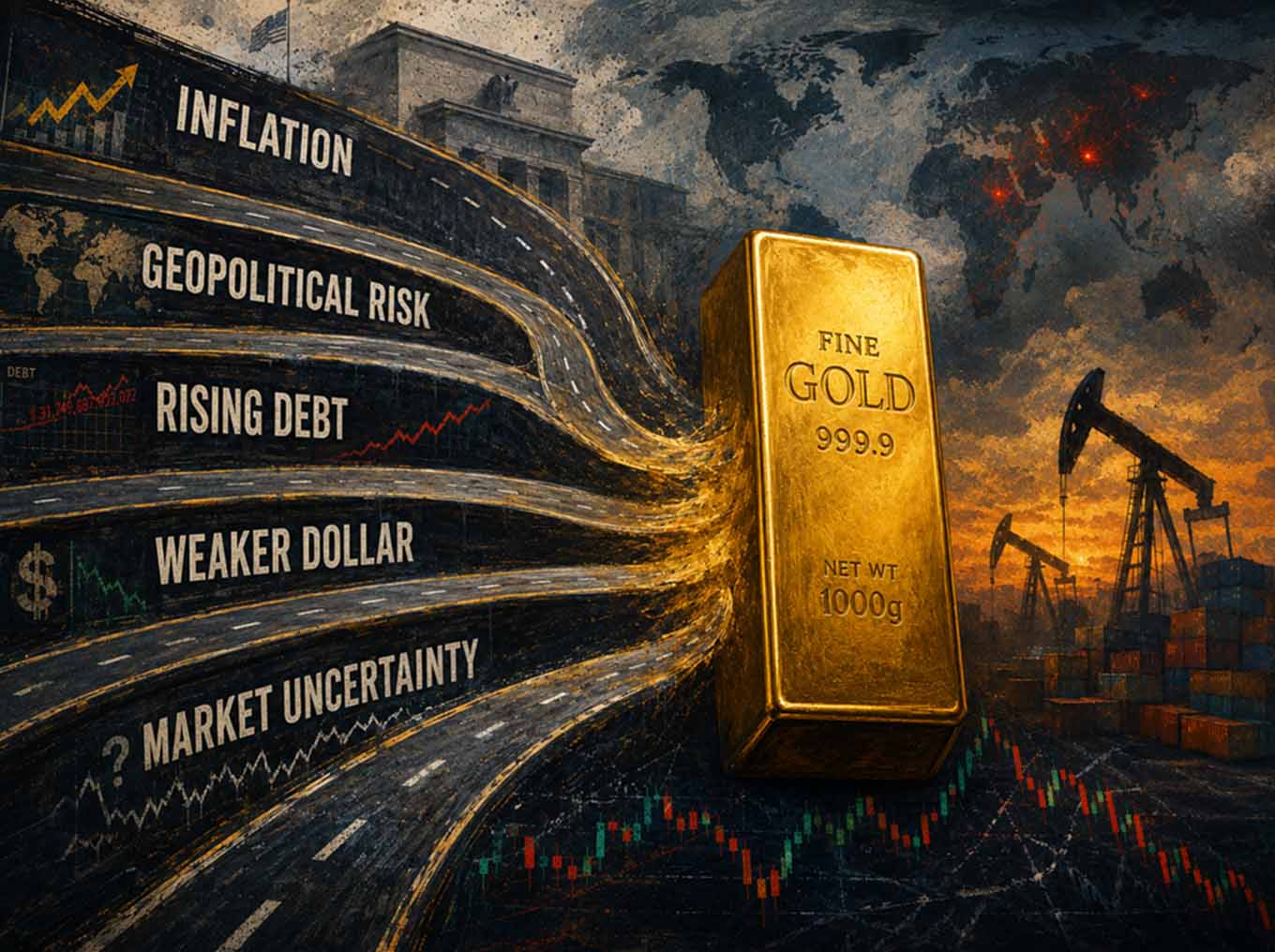
Jared Dillian Warns The Old Portfolio Is Breaking
Jared Dillian believes the next decade may look more like the 1970s than the 2010s, with commodities, gold, energy, and international markets potentially outperforming traditional U.S. stock and bond portfolios. He argues that stocks are underpricing recession risk, the dollar remains overvalued, and investors may need broader diversification as the old 60/40 playbook comes under pressure.

How Serious Investors Read Drill Results
A good drill hole can move a stock, but it does not automatically make a deposit. This article breaks down how serious junior mining investors should read drill results, from grade and width to continuity, structure, dilution and whether a company is actually proving a system.
100K+ INVESTORS FOLLOW OR SUBSCRIBE TO US

Canada’s Choice: Build Again, or Manage Decline
Mark Carney has a majority and no more excuses. Canada’s economy is flashing warning signs, from collapsing small business confidence to capital flight, record food bank use, and a generation losing faith in the future.

General Petraeus Warns: Iran Is the Crisis, But Ukraine Is the Future of War
General David Petraeus warns that the Iran crisis is not contained as oil surges back above $106 and the Strait of Hormuz remains closed. But the deeper threat may be what Ukraine is revealing now: drones, autonomous warfare, and a new era of geopolitical risk investors can no longer ignore.

Has Gold Failed Its Geopolitical Test Or Did the Dollar Just Win the First Round?
Gold did not fail when war broke out. The dollar simply won the first wave of panic buying. In this piece, John Rubino explains why money still rushes into the U.S. financial system during early fear, why that does not weaken the long-term case for gold, and how central bank buying, supply constraints, and prolonged conflict could still drive precious metals higher.

The Tech Boom Looks Brilliant. That’s Why Investors Should Be Nervous
The tech boom may be built on real innovation, but years of easy money, loose liquidity, and higher valuations have also distorted risk. This piece explains why investors should be careful assuming technology stocks can keep compounding the way they did in the age of near-zero rates.

How Social Breakdown Creates Economic Fragility
A country does not begin to unravel when tanks roll in or markets finally crack. It begins when trust in leadership, legitimacy, and the social contract starts to break down, turning social strain into economic fragility long before most investors or institutions are willing to see it.

The Collapse Before the Collapse: Preparing for Societal Fracturing
David Betz warns that collapse does not begin with tanks in the streets. It begins much earlier, with falling trust, fractured identity, weakened institutions, and a society that still appears functional on the surface while growing more brittle underneath.

The Market Still Does Not Understand Oil
The Iran conflict is not just a geopolitical flashpoint. It may be the event that forces investors to rethink oil, inflation, and the strategic value of energy in a world that suddenly looks far more fragile.

Gold Did Not Fail the Iran War. Investors May Be Looking at the Wrong Signal
Gold did not surge when war broke out around Iran, and many investors saw that as a failure. In this interview, John Rubino explains why panic money still rushes into the US dollar first, why gold can fall in a liquidity crisis, and why the longer term setup for gold and silver may still be strengthening.
Mark Faber’s Warning to Investors: War, Currency Decay, and Why Losing Less May Matter More Than Winning Big
In this interview, Marc Faber explains why war, debt, and money printing are becoming one story for investors. He argues that precious metals still matter, paper currencies keep losing value, and the next cycle may reward investors who focus more on protecting capital than chasing returns.
What Actually Causes Inflation | Steve Hanke
Oil shocks grab headlines, but Steve Hanke says they do not cause inflation. Hanke explains why money supply growth matters far more, why the 1970s are widely misunderstood, and why he believes the United States is likely heading toward more inflation, not less.

Small Caps Have Rarely Looked This Cheap Relative To Large Caps
Small-cap stocks have now trailed large caps for five straight years, matching one of the longest stretches of underperformance in recent market history.
The Panic Premium | M&A Activity About to Surge
The last gold bull market didn’t climax with price alone; it ended in billion-dollar buyouts and 30 to 60 percent premiums. From 2001 to 2011, gold surged from under $300 to over $1,500 before major players truly began scrambling for ounces. Today, with gold pressing historic highs again, investors are asking a familiar question: when does the panic premium return?
100K+ INVESTORS FOLLOW OR SUBSCRIBE TO US
Be part of our investor community. Get sharp insight on capital flows, emerging technologies, commodity cycles, and macro trends shaping tomorrow’s markets.
